Consequences of host superinfection by recombining bacteriophages
Closely related phages are often prevented from infecting the same host by multiple superinfection exclusion systems encoded within phage genomes. However, this is not always the case. For example, within the SPbetavirus phage genus, it has been shown that phi3T can superinfect an SPβ lysogen. Moreover, such double lysogeny can give rise to chimeric phage variants.
Here, we investigate additional pairs of phages belonging to this genus. We compare single and double lysogens and observe marked differences between them, including, in some cases, protection of the host from cell morphology changes. We also detect elevated phage release during double lysogeny and perform direct plaque sequencing to characterize the resulting chimeric phage variants.
We further assess the ability of these chimeric variants to establish stable lysogeny and examine their consequences for host fitness. Our results demonstrate rapid phage evolution through the exchange of large DNA segments, while retaining the capacity to lysogenize the host. This highlights the extreme potential of phage-mediated genetic innovation in host evolution. Ongoing experimental evolution will further elucidate the impact of phage diversity on host adaptation.
Short bio
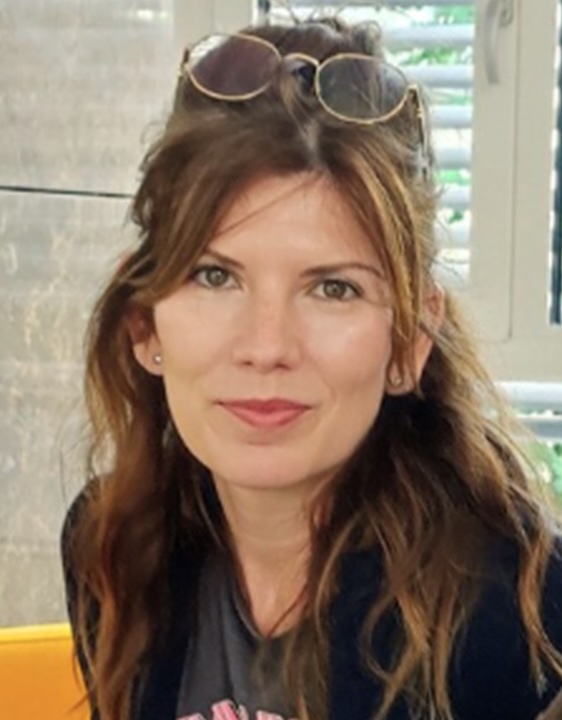
Anna Dragoš heads a research group focused on phage-mediated host control, using SPbeta viruses and Bacillus spp. as model systems. She investigates the extent to which temperate phages alter the behavior of their bacterial hosts, as well as the molecular mechanisms and evolutionary forces underlying phage-mediated host control. Her main expertise includes bacteriology, phage biology with a special focus on lysogeny, experimental evolution, molecular microbiology, cell–cell communication, and sociomicrobiology.
She graduated in Biotechnology at the University of Wroclaw (Poland) in 2009 and defended her PhD thesis at the University of Ljubljana in 2014. She subsequently spent several years abroad as a postdoctoral fellow, funded by the Alexander von Humboldt Fellowship at Friedrich Schiller University Jena (Germany) and the H.C. Ørsted Fellowship at the Technical University of Denmark. She returned to the Department of Microbiology in 2021, shortly after receiving an ERC Starting Grant.
Laboratory of the speaker
Dep. Of Microbiology, Biotechnical Faculty, University of Ljubljana
Invited by
Romain Briandet